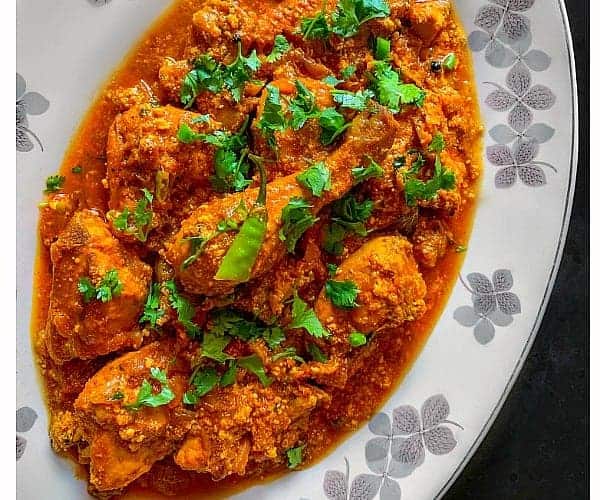
Unveiling Chicken Korma's Mughal Legacy: A Royal Indian Curry
Stepping into the world of Indian cuisine, few dishes captivate the senses quite like Chicken Korma. More than just a meal, it's a culinary journey through time, a creamy, aromatic testament to the lavish traditions of the Indian subcontinent. This iconic dish, known for its tender chicken bathed in a rich, velvety sauce, carries with it the opulent legacy of the Mughal Empire, symbolizing centuries of refined taste and elaborate culinary artistry. It's a dish that has graced royal tables and continues to delight palates globally, embodying a perfect harmony of mild yet complex flavors.
The Royal Origins of Chicken Korma: A Mughal Masterpiece
To truly appreciate chicken korma, one must delve into its illustrious past. The dish traces its magnificent roots back to the 16th century, emerging from the imperial kitchens of the Mughal Empire. This powerful and sophisticated dynasty, which ruled much of the Indian subcontinent from the 16th to the 19th centuries, was renowned for its lavish lifestyle, grand architecture, and, perhaps most importantly for food enthusiasts, its elaborate cuisine – known as Mughlai cuisine.
Under the patronage of emperors like Akbar and Shah Jahan, korma evolved as a sophisticated braised meat dish, prepared as a delicacy for the court. Its creation was deeply influenced by the Persian and Central Asian cooking traditions introduced by the Mughals, who adeptly blended these exotic elements with local Indian ingredients and techniques. This cross-cultural fusion gave birth to a unique culinary style that emphasized mild flavors, creamy textures, and slow-cooking methods designed to achieve unparalleled tenderness and richness.
Persian methods, in particular, contributed significantly, introducing the innovative use of yogurt as a key ingredient. This wasn't merely for flavor; yogurt served to tenderize the meat, creating the smooth, velvety sauce that became the hallmark of the dish. These influences stemmed directly from the Mughals' Timurid heritage, which incorporated sophisticated braising techniques from Turkic and Safavid culinary practices, adapting them to suit the opulent tastes of the imperial household. Early documented references to korma appear in 16th- and 17th-century Mughal texts, confirming its status as a foundational element of imperial feasts and courtly banquets. Originally prepared with various meats including lamb, goat, and chicken, it was the chicken korma variant that would eventually become the most beloved and widespread, embodying opulence and flavor harmony.
What Makes a Traditional Chicken Korma? Defining its Creamy Essence
At its heart, a traditional chicken korma is a masterclass in balance and subtlety. It features succulent pieces of chicken, typically boneless thighs or breast, cooked gently until they are incredibly tender. The defining characteristic, however, lies in its sauce – a luscious, creamy gravy built upon a base of yogurt or finely ground nuts, often a combination of both. This creates a texture that is both indulgent and comforting.
Aromatics are paramount in crafting the signature flavor profile of chicken korma. Whole spices such as green cardamom pods, cinnamon sticks, and cloves are gently bloomed in ghee or oil, releasing their intoxicating fragrances before other ingredients are added. Ground spices like coriander, cumin, and a touch of turmeric contribute depth without overpowering the delicate balance. Unlike many other Indian curries, authentic chicken korma does not typically include a medley of vegetables beyond the foundational onions and perhaps a hint of ginger and garlic. This deliberate simplicity ensures that the rich flavor of the chicken and the creamy sauce remain the undisputed stars of the dish, setting it apart from its vegetable-laden counterpart, vegetable korma.
The slow-cooking technique is crucial, allowing the flavors to meld and the chicken to become melt-in-your-mouth tender. The resulting gravy is rich, mild yet complex, and never cloyingly sweet. It's this masterful interplay of creamy texture, aromatic spices, and tender chicken that elevates korma to its status as a truly royal Indian curry, perfect for both festive occasions and cherished family meals.
Exploring the Rich Tapestry of Chicken Korma Variations
While the essence of chicken korma remains consistent – creamy, mild, and aromatic – its journey across the Indian subcontinent and beyond has led to fascinating regional adaptations. These variations reflect local palates, available ingredients, and culinary traditions, adding layers to its already rich history.
- North Indian Style: Often emphasizing a rich, yogurt-based gravy, these versions prioritize a smooth, almost velvety texture. The use of ghee is prominent, and the spice blend tends to be subtly nuanced, allowing the creamy base to shine.
- Pakistani Variations: These interpretations frequently incorporate a more generous amount of nuts (like almonds or cashews) and cream, resulting in an even more luxurious and thicker gravy. The richness is often a defining feature, making it a truly decadent experience.
- Bangladeshi Adaptations: In Bangladesh, Chicken Korma: Regional Flavors and Its Creamy Indian Appeal often takes on a milder profile with the inclusion of coconut milk. This adds a subtle sweetness and a different kind of creaminess, offering a unique twist on the classic.
Beyond these traditional regional distinctions, modern culinary influences have also shaped the dish. Contemporary chefs, much like the referenced Jamie Oliver, sometimes introduce their own take, perhaps by using coconut cream as a base, alongside traditional yogurt and ground almonds, and highlighting spices like coriander, cumin, and turmeric to create a luscious, comforting meal that pairs beautifully with rice or naan bread. These adaptations demonstrate the enduring versatility and broad appeal of chicken korma, allowing it to evolve while retaining its beloved core characteristics.
Mastering Chicken Korma at Home: Tips for a Royal Feast
Recreating the magic of a royal chicken korma in your own kitchen is entirely achievable, even if you're a novice. Here are some practical tips to guide you towards a truly majestic dish:
- Quality Ingredients are Key: Start with fresh, good-quality chicken. For the creamy base, use full-fat yogurt (Greek yogurt can be thinned slightly) and ensure your nuts (almonds, cashews) are fresh and finely ground. Invest in whole, aromatic spices – the difference in flavor is remarkable.
- The Art of Bloomed Spices: Don't skip tempering your whole spices (cardamom, cinnamon, cloves) in ghee or oil at the beginning. This process, known as "blooming," awakens their essential oils and releases their full fragrance, forming the aromatic foundation of your korma.
- Achieving the Perfect Creaminess: The balance of yogurt, ground nuts, and perhaps a touch of cream or coconut milk is crucial. To prevent yogurt from curdling, ensure it's at room temperature before adding and stir it in slowly, ideally off the direct heat, before bringing it back to a gentle simmer. A paste of blanched almonds or cashews adds an incredible richness and thickens the gravy beautifully.
- Slow Simmer for Tenderness: Patience is a virtue when making korma. After adding the chicken and liquid, allow the dish to simmer gently over low heat. This slow-cooking process is what makes the chicken incredibly tender and allows the flavors to deepen and meld, creating that signature velvety texture. Don't rush it.
- Balance is Everything: Taste your korma as it cooks. While traditionally mild, you can adjust the heat with a touch of green chili if desired. A pinch of sugar can help balance the tang from the yogurt and enhance the overall flavor profile.
- Don't Fear the "Quick" Korma: While traditional korma benefits from slow cooking, for busy weeknights, a delicious version can be made surprisingly quickly. For those times, explore a Quick & Creamy Chicken Korma: Your 30-Minute Indian Delight, focusing on pre-prepped ingredients and clever layering of flavors. Even without hours of simmering, you can achieve a wonderfully flavorful and creamy dish.
- Serving Suggestions: Chicken korma pairs exquisitely with fluffy Basmati rice, soft naan bread, or whole wheat rotis, which are perfect for soaking up every drop of that luxurious sauce. A sprinkle of fresh coriander or slivered almonds as a garnish adds a beautiful finishing touch.
From its noble origins in Mughal palaces to its cherished place on modern dining tables, chicken korma remains a symbol of culinary elegance and comfort. Its unique blend of creamy texture, delicate spices, and tender chicken offers an experience that is both deeply satisfying and endlessly appealing.
Whether you're exploring its rich history, experimenting with regional variations, or perfecting your own homemade version, the journey with chicken korma is always a delicious one. It's a testament to a cuisine that mastered sophistication centuries ago, and continues to inspire and delight food lovers around the world.
